

The Company of Biologist Workshop – Democratising Microscopy in Latin America: Imaging Across Scales and Regions
Posted by Helen Zenner, on 22 December 2025
In October, I was lucky enough to attend The Company of Biologist Workshop – Democratising Microscopy in Latin America: Imaging Across Scales and Regions. The organisers, Constadina Arvanitis, Mario Del Rosario, Helena De la Torre, Mariana De Niz, Maria Fernanda Latorre Barragán and Licyel Lenny Paulas Condori, put together an incredible programme featuring top researchers from throughout Latin America and some other invited guests. The talks were combined with informal sessions on career development, challenges of working in Latin America, outreach projects and an image analysis clinic. It was fantastic to see all the attendees establishing new contacts and re-connecting with old friends, as the conversations continued throughout the meeting and especially after the turbo talks, which were presented by the early-career researchers.
Following the Workshop, I reached out to some of the attendees to find out their opinions of the Workshop. Thanks to Agustin Corbat, Ana Peñaherrera, Denise Scuffi, Felipe Valer and Santiago Casado for sharing their answers for this blog post.
Agustin Corbat
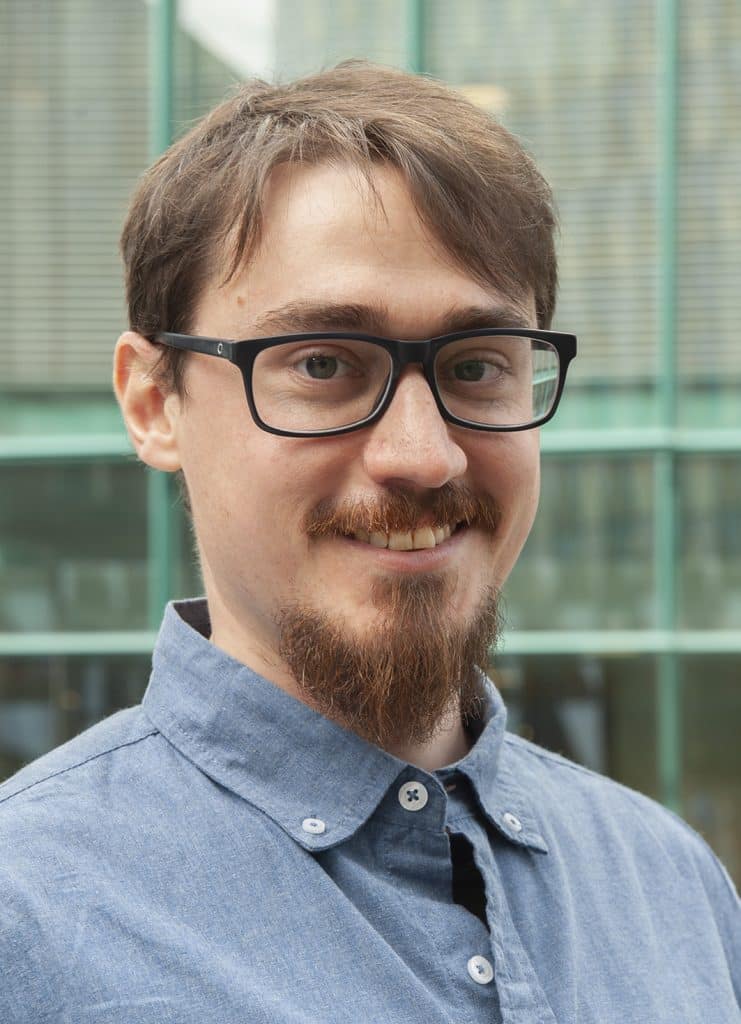
Why did you apply for the Workshop? As an early-career researcher recently repatriated to Argentina, I have a deep understanding of the unique challenges and opportunities within the regional scientific landscape. I applied primarily for the exceptional chance to network with established colleagues currently operating within Latin America. My goal was to forge meaningful collaborations with individuals who share a similar commitment to advancing science in the region, establishing a stronger collaborative foundation for my work moving forward.
What did you get out of the Workshop? The workshop was instrumental in significantly expanding my professional network. I reconnected with valuable old colleagues and made many new acquaintances, which collectively helped to solidify a crucial regional support system. This reinforced network is vital for effectively directing my research efforts in bioimage analysis toward the most pressing needs and strategic growth areas within Latin American science.
What was your favourite thing about the Workshop? My favourite component was the dedicated section on Open Hardware and Open Science. This topic deeply resonates with my interests, particularly because it addresses the critical challenge of ensuring complete scientific reproducibility. Discussing how to openly share robust hardware setups, custom software, and complex analysis workflows is a recurrent and essential discussion. I was particularly inspired by the practical examples and the emphasis on making high-quality microscopy tools and methods accessible.
Have you made important connections for your career or research project? Absolutely. I had the privilege of meeting and engaging in substantive discussions with several researchers with whom I am now actively planning future collaborations. These connections are directly applicable to my research, promising to significantly broaden the scope and impact of my upcoming projects in bioimage analysis.
What do you think Latin America needs most to strengthen its microscopy and image analysis capacity? To truly strengthen regional capacity, Latin America needs a greater emphasis on intensive, hands-on training courses. These must effectively bridge the gap between theoretical knowledge and practical application. By combining high-level expert instruction with the development of a robust, collaborative network, the region can achieve a profound improvement in the quality and reproducibility of its research. This strategic investment in practical skill development will build upon the already commendable quality of scientific output in many Latin American countries.
Any final comments? The workshop was an excellent, timely, and necessary initiative. It successfully convened a committed group of professionals dedicated to the advancement and democratization of cutting-edge imaging technologies in Latin America. The spirit of openness and collaboration was infectious, and I am highly optimistic about the tangible, long-term regional impact that this community will achieve.
Ana Peñaherrera
Why did you apply for the Workshop? I applied because my current research aligned with the workshop theme and I wanted to expand my network.
What did you get out of the Workshop? I had the opportunity to meet key experts in the image analysis, microfluidics and medical physics. Then, I invited them to participate in conferences at my university and also to apply together for research funding. Besides, I had the chance to know about LABI and Janelia institute. Finally, I felt really inspired after the workshop, especially after listening to Dr. Teng-Leong Chew, the videos he showed of T cells attacking a cancer cell were astonishing and the way he has contributed for kids access to microscopes is admirable. I would like to give kids that opportunity in my country, Ecuador. Therefore, I would like to participate at “Microscopia para todos” program with Licyel Lenny Paulas Condori.
What was your favourite about the Workshop? My favourite part was attendees and speakers’ generosity. Everyone wanted to help and share their resources.
Have you made important connections for your career or research project? Definitely, I met Dr. Tobias Wenzel, who I admire for his contributions in microfluidics. Besides, I had the opportunity to meet Ecuadorian scientist (Dr. Andrés Romero and Dr. Santiago Casado) who are working in research fields that can interact with mine. Furthermore, I met scientists from South America, North America and Europe who I can collaborate with.
What do you think Latin America needs most to strengthen its microscopy and image analysis capacity? I think Latin America should build a digital platform where the microscopy resources are listed so that the people that requires them can easily find them and also opportunities to visit them are displayed.
Any general comments? I would like to thank The Company of Biologist for this great opportunity and for giving me the chance to present the turbo talk about my research to this vibrant community.
Denise Scuffi
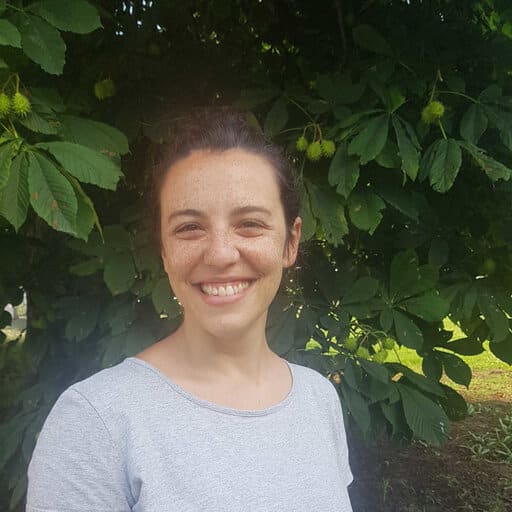
Why did you apply for the Workshop? I applied to the workshop because a large part of my work is based on
microscopy, and I wanted to share experiences and knowledge with colleagues from Latin America.
What did you get out of the Workshop? I learned a lot about open-source materials. Since I’m a biologist, the
more “technical” microscopy aspects were extremely helpful. I also really enjoyed the educational talks — I think it’s essential to communicate our knowledge to society.
What was your favourite part of the Workshop? I realised that we can build a strong and vibrant microscopy community in Latin America. We have the potential and expertise to do it, but our countries face structural challenges. Collaboration is clearly the way forward.
Have you made important connections for your career or research projects? Yes, I definitely made important connections for my career.
What do you think Latin America needs most to strengthen its microscopy and image analysis capacity?
Latin America has excellent scientists with very good networks. I think the region needs more financial support to build more microscopes and to improve mobility for education, training courses, and workshops.
Any general comments? In my opinion, more content on plant and bacterial microscopy would be very valuable. These fields don’t always use the same techniques as human/medical samples, and dedicated training would be highly beneficial.
Felipe Valer
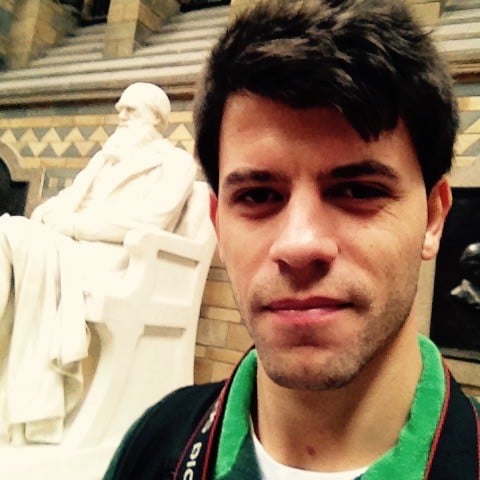
Why did you apply for the Workshop? Apliquei neste Workshop para conhecer mais sobre as iniciativas em democratizar a microscopia na América Latina e fazer contatos que possam me auxiliar na automação do uso de microscopia no laboratório.
I applied to this Workshop to learn more about initiatives aimed at democratizing microscopy in Latin America and to establish connections that could support the automation of microscopy use in my laboratory.
What did you get out of the Workshop? Aprendi que temos um pessoal extremamente qualificado para desenvolver e aprimorar o uso de microscopia na América Latina e que são extremamente solícitos em ajudar pesquisadores de diferentes áreas de pesquisa nesse propósito.
I learned that we have highly qualified individuals dedicated to developing and improving microscopy in Latin America, and that they are exceptionally willing to assist researchers from diverse fields in advancing this goal.
What was your favourite thing about the Workshop? Foi a oportunidade de interação com pesquisadores renomados de diferentes áreas de pesquisa atuando principalmente na América Latina, em que se discutiu sobre assuntos profissionais de construção de carreira, motivação em pesquisa, projetos em andamento e oportunidades de trabalho, além de assuntos pessoais que envolvem família e viver em países diferentes de onde nasceu.
My favourite aspect was the opportunity to interact with renowned researchers from different scientific areas working primarily in Latin America. We discussed a wide range of topics, including career development, research motivation, ongoing projects, job opportunities, and also personal matters related to family and living in countries abroad.
Have you made important connections for your career or research project? Sim, pude conhecer pessoas que tenho certeza que abrirão portas para mim e contribuirão para minha carreira científica em um dado momento.
Yes. I met people who I am confident will open doors for me and contribute to my scientific career at some point.
What do you think Latin America needs most to strengthen its microscopy and image analysis capacity? Microscopia no geral é cara, custa muito dinheiro para aquisição e manutenção dos equipamentos. Por isso, acredito que deva haver iniciativas tanto de governos regionais como entidades globais – incluindo a iniciativa privada – que fomentem a construção de facilities de microscopia na América Latina e treinamentos para qualificação do pessoal para uso dos equipamentos. Sociedades científicas como Latin America Bioimaging (LABI) e eventos científicos como esse também são extremamente importantes para aproximar pesquisadores do mundo inteiro em prol do desenvolvimento da microscopia no continente.
Microscopy is inherently expensive, both in terms of equipment acquisition and maintenance. Therefore, I believe that initiatives from regional governments and global organizations—including the private sector—are essential to support the establishment of microscopy facilities in Latin America and to provide training for personnel to properly operate the equipment. Scientific societies such as Latin America Bioimaging (LABI), as well as scientific events like this Workshop, are also crucial for fostering collaboration among researchers worldwide toward the advancement of microscopy across the continent.
Any final comments? Gostaria de agradecer a The Company of Biologists e todos pesquisadores principais que ficaram responsáveis pela organização do evento, a qual foi exemplar e que possibilitou colaborações promissoras entre pesquisadores da América Latina em prol da democratização da microscopia.
I would like to express my gratitude to The Company of Biologists and to all the principal investigators responsible for organizing the event. The organization was exemplary and enabled promising collaborations among Latin American researchers committed to the democratization of microscopy.
Santiago Casado
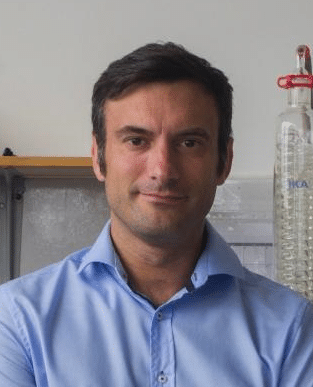
Why did you apply for the Workshop? This is indeed an excellent initiative. Having the chance to get in touch with colleagues from the same continent who work in similar fields may greatly enhance our achievements through collaboration. Of course, I was very eager to be part of it.
What did you get out of the Workshop? The workshop demonstrated a wide range of capabilities. The potential is enormous, and I came away not only with contacts for future collaborations but also with the conviction that we can realize many possibilities by working as a team. While gaining access to expensive facilities is extremely difficult in this region, we could achieve breakthrough results by focusing on very specific techniques and sharing our lab resources.
What was your favourite about the Workshop? The participants’ openness to collaborate was remarkable. I was impressed by the strong team spirit demonstrated in the Workshop, which reflected a genuine and widespread intention to cooperate.
Have you made important connections for your career or research project? Absolutely. I expect to get in contact with many of them, and I hope to continue being part of this extraordinary community.
What do you think Latin America needs most to strengthen its microscopy and image analysis capacity? Focusing on research projects in which most of these microscopists were involved. This will likely lead to more innovative proposals in the future.
Any general comments? My sincere thanks to the organizers for making this amazing workshop possible. It was a fantastic and truly valuable experience.